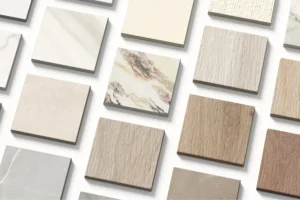
Drilling in ceramic tiles, and especially in hard gress, is a task that many forerunners fear of breaking and destroying expensive cladding. But the key to success is not strength, but the right technique, choice of tools, and patience. This comprehensive step-by-step guide will explain how to safely and precisely make holes in various types of ceramics. Whether you want to install a shelf in the bathroom or run the installation through the wall, our tips will help you complete the project without unnecessary stress and costly errors. We'll show you drilling in ceramics It can be simpler than it looks.
Essential tools and materials for drilling in ceramics
When working with such fragile material as ceramics, it is essential to prepare the position and collect all necessary accessories. Proper selection of tools will not only facilitate work, but will, above all, minimise the risk of plate damage. The base is a drill or screwdriver with a rotation adjustment function and, most importantly, the ability to shut off the stroke. The impact mechanism is an absolute enemy of ceramics and its use will almost certainly end in a crack. In addition, you will need protective glasses, a paint strap, a marker to mark the drilling point and a water vessel or a cooling sprinkler.
How to choose the right drill for a particular type of tile
Drill selection is the most important decision that determines the success of the entire project. The usual drills for metal or wood are completely useless in this case. Specialists are available on the market ceramic tile drillswhich differ in design and destiny. For soft wall tiles (glazes) it is enough to drill the fork with a sharp end of sintered carbide. However, in the case of tougher materials such as porcelain or terracotta ggres, the only effective solution is diamond drills or diamond laces (holes). They have a diamond embankment that does not drill, but precisely abrasions the material, which is crucial to avoiding stresses and cracks.
Step by step drilling technique: avoid cracks
With the right tools, we can move on to the right work. Precision and peace are crucial here. Even the best drill won't help if we use the wrong technique. The entire process can be closed in a few simple steps to ensure a clean and safe opening. Remember never to rush and control every stage of work, from surface preparation to penetration through the entire thickness of the plate. This methodical approach is the answer to the question, how to drill the hole in the plate without risk of damage.
Preparation and start of work
Proper preparation is half the success, especially when we wonder, How to drill in a greek without cracks. Gres is extremely hard and glazed material, which makes the drill easily slip at the beginning of work. To prevent this, follow the following steps:
- Cleaning and marking: Clean the surface of the plate thoroughly and defatify it. In the place where the opening is to be created, apply two pieces of painting tape to the cross. The tape will prevent the drill from sliding and protect the glaze around the hole. On the tape, accurately mark the drilling point with a marker.
- Scoring (optional): To further stabilize the drill, you can gently point the glaze at the marked location. Use a pointer and a very light hammer. Do it with a great sense to not damage the plate.
- Starting drilling: Set the drill perpendicular to the surface of the plate. Start drilling at very slow speeds by gently pressing the drill. The goal is to "bite" the drill into the glaze and create a small hole that will lead the drill in further work.
- Special drilling: When the drill stabilizes in the hole, you can slightly increase the rotation. Keep the pressure steady, but not too strong. Let it drill, not the strength of your hands, do the work. Regular cooling breaks.
Drill Cooling: Why is it so important?
While drilling in hard materials such as ceramics or ggres, friction generates huge amounts of heat. The overheated drill loses its cutting properties, becomes blunt and can break. Worse still, the high temperature is transferred to the plate, causing thermal stresses in it, which are a simple way to crack. Therefore, regular cooling is absolutely necessary. The easiest method is to pour water into a bottle or sprayer every several seconds. You can also put a wet sponge next to the hole, which will constantly provide a small amount of water. For crown drills, special slides with a water container are often used, making the process much easier.
Drilling holes with larger diameter: tips and tricks
Standard diamond drills are perfect for small diameter holes, for example, under brackets. What, though, if we need to make a much larger hole, such as an electric socket, a shower battery or a sewer pipe? In such a situation, openings become indispensable, also called crown drills. These are cylindrical tools with diamond embankment on the working edge, which cut a perfectly circular core in the plate. Working with the opening requires even more attention, especially at the beginning, to stabilize its position. It is worth starting drilling at a light angle and only after creating a small incision set the tool perpendicular to the plate. Cooling with water is absolutely critical for the life of the tool and the safety of the plate.