Drilling in Gresa is one of the biggest challenges in finishing work. Its extreme hardness and brittleness make traditional drills useless. This step-by-step guide will explain how to select the right tools and apply the right technique to ensure each hole is precise, clean and made without risk of damaging expensive tiles.
Greek specificity: hardness, brittleness, slipperyness
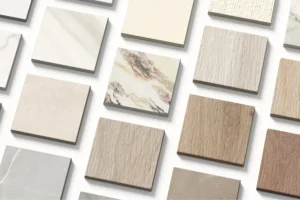
The porcelain Gres, thanks to its properties, is a material highly valued in construction. Its production in the ironing process under great pressure and firing at temperatures exceeding 1200°C gives it exceptional density and low saturation. This translates into extreme hardness, often reaching 8-9 on Mohs' 10-degree scale, which places it just behind the diamond. Unfortunately, the same quality, which makes it resistant to abrasion, poses a huge challenge during machining. At the same time, the ggres is fragile material – badly selected drilling technique, too much pressure or vibration (stroke) inevitably leads to cracks and peels. An additional difficulty is the glazed, very slippery surface on which the drill can slide, drawing a plate.
Which diamond drills to choose from: types and characteristics
Choosing the right tool is the foundation of success. Only diamond embankment drills are designed to work with such demanding material. The diamond, as the hardest known mineral, is the only material capable of effectively cutting grits. Various types of diamond drills are available on the market, and their choice depends on the scale of the work, equipment and preferred working methods – dry or wet. Understanding the basic differences between them allows to optimize costs and performance quality.
Galvanic Drills vs. vacuum soldered
The basic technological division concerns the way diamond embankment is planted on the drill body. Drills with galvanic embankment have one layer of diamond attached in the electrolysis process. They are cheaper and work well in amateur work or with a small number of holes. However, their lifespan is limited. A much more durable and efficient solution is vacuum soldering drills. In this technology diamond grains are embedded in the binder, which allows the application of many layers. Such tools are characterized by a much longer lifespan, better discharge of heat and faster work, making them the choice of professionals. They are available in dry working versions (often with cooling wax in the body) and wet.
Grease drilling preparation: tools, security features, markings
Careful preparation of the workplace is the key to precision and, most importantly, safety. Before you get to work, make sure you have all the necessary items at your fingertips. Chaos operation and improvisation during drilling is a simple way to damage material or, worse still, experience injury. Appropriate self and environment protection and precise determination of the drilling point minimises the risk of failure.
Before starting work, complete the following set:
- Drive tool: Drilling machine with absolutely no stroke or angle grinder (for drills with M14 thread).
- Diamond Drill: Selected to hole diameter and working method (dry or wet).
- Personal protective equipment: Protective glasses, optional gloves and dust mask are mandatory.
- Marking and cooling accessories: Non-washable marker, paint tape, water sprayer (for wet method) and possibly drill guide.
The drilling site shall be marked precisely with a marker. To prevent the drill from slipping on the smooth surface of the plate, it is worth to apply a piece of painting tape here. Alternatively, you can gently point the glaze, but this requires a lot of practice to avoid damage to the plate.
Grid drilling technique: step by step, without chipping or cracking
Just having the best equipment doesn't guarantee success. The key is the correct technique, which takes into account the specificity of the material. The correct answer to the question of how to drill a diamond drill in a gresa boils down to several basic principles: patience, control and proper cooling. Aggressive approach, force or haste are the greatest enemies of a precise opening. This process requires finesse, not strength – the drill is to cut, not crush material.
The proper drilling process should be as follows: Start drilling, applying the drill to the plate at an angle of approximately 30-45 degrees. Start the tool at low speeds and gently "knead" into the surface, creating an initial crescent-shaped incision. When the drill stabilizes in the groove, slowly and smoothly raise the tool to a perpendicular position (90 degrees). During the entire process, make delicate circular movements. This procedure facilitates removal of the material and improves cooling of the cutting edge. It is extremely important not to exert excessive pressure – the weight of the tool itself is usually sufficient. In the case of wet method, provide a constant flow of water to the drilling site. If you use diamond drills to drill like dry drills, make regular breaks every 15-20 seconds so the drill can cool down. Remember that the impact function in the drill is absolutely disabled.
Cultivation of drill after drilling in gresa: cleaning, sharpening, storage
The life of even the most expensive diamond drill depends, to a large extent, on how we care about them after finishing work. Proper maintenance not only prolongs its service life, but also ensures constant, high quality of holes. The neglected drill will quickly lose its cutting properties, which will translate into slower work, greater risk of tile damage and the need to purchase a new tool prematurely. It's simple activities that should become the habit of every professional and foreman.
After each use, the drill should be thoroughly cleaned of dust residues and possible sediment. If you notice a drop in performance while working, and the diamond embankment seems smooth and shiny, this means that the diamond grains have been "tipped" with material. In this case, they must be "opened" or "stiffed" by making several holes in soft, abrasive material, such as a block of cellular concrete or a special sharpening stone. After cleaning and drying, drills should be stored in a dry place to prevent corrosion of the steel body. Care for the tool is an investment that always turns around.